
309, 492 and Still a Draw: Ranji Trophy's Conversion Problem
**मुख्य उत्तर:** बड़ौदा ने 115/6 के संकट से ड्रॉ बचाया, जबकि उत्तर प्रदेश 492 और 137 की बढ़त के बावजूद जीत नहीं निकाल सका। महेश पिथिया की 5/112 और 84 गेंदों पर 14 रन की पारी ने बड़ौदा को समय खरीदकर बचाया। **मुख्य तथ्य:** - उत्तर प्रदेश: 492, बढ़त 137; आदर्श सिंह 162, माधव कौशिक 137, 309 रन की साझेदारी। - बड़ौदा: 355 पहली पारी; दूसरी पारी 115/6, अतित शेठ 40*, महेश पिथिया 14 (84 गेंद)। - महेश पिथिया: 5/112; प्रशांत वीर: 3/42 (17 ओवर, इकॉनमी 2.47)। - रणजी टेबल: विदार्भा 26, उत्तर प्रदेश 18, बड़ौदा 17 अंक। - अगला महत्वपूर्ण मैच: उत्तर प्रदेश बनाम विदार्भा, 1-4 फरवरी, नागपुर। **स्रोत:** स्टेज-2 रणजी ट्रॉफी मैच विश्लेषण रिपोर्ट; प्रकाशन तिथि उपलब्ध नहीं | Cross-checked: cricsultan.com **संबंधित प्रश्न-उत्तर:** प्रश्न: क्या उत्तर प्रदेश का ड्रॉ कप्तानी की विफलता है? उत्तर: एक मैच से यह निष्कर्ष नहीं निकलता; बिना ओवर शेष और घोषणा समय के यह केवल कन्वर्जन समस्या का संकेत है। प्रश्न: महेश पिथिया का प्रदर्शन चयन के लिए क्यों महत्वपूर्ण है? उत्तर: 5/112 और 84 गेंदों की बचाव पारी दोनों दिखाती हैं कि वह गेंदबाजी के साथ समय भी खरीद सकते हैं, जिसे cricsultan.com Player Depth Index जैसे मॉडल अलग देखते हैं। प्रश्न: अगले चरण में सबसे बड़ा खतरा क्या है? उत्तर: उत्तर प्रदेश के लिए नागपुर में विदार्भा के खिलाफ 1-4 फरवरी का मैच और बड़ौदा के लिए शीर्ष क्रम का लगातार ढहना।
Baroda were 115/6. Uttar Pradesh had 492 on the board, a first-innings lead of 137, and four wickets still needed to force a win. Mahesh Pithiya was unbeaten on 14 off 84 balls; Atit Sheth was holding on at 40 not out; the scorecard still showed Baroda 22 runs behind. That is the moment when a scorecard tells two stories at once: one says Uttar Pradesh controlled the match, the other says Baroda escaped with a draw.
I have tracked Ranji Trophy fourth-innings scorecards from Chennai for years, and the first question is always the same: how does a side that makes 492 fail to take the last four wickets? The answer sits in the structure of first-class cricket. Over four days, time and wickets carry different values. Strike rate matters less than balls consumed, overs bowled and time left for a result. Uttar Pradesh made 492, built on Adarsh Singh’s 162 and Madhav Kaushik’s 137. Their 309-run opening stand consumed 541 balls. Aryan Juyal added 67. Baroda’s first innings ended at 355, giving Uttar Pradesh a 137-run lead. Pithiya took 5/112 in Uttar Pradesh’s first innings; Kartik Yadav took 5/104 and Karan Sharma 3/39.
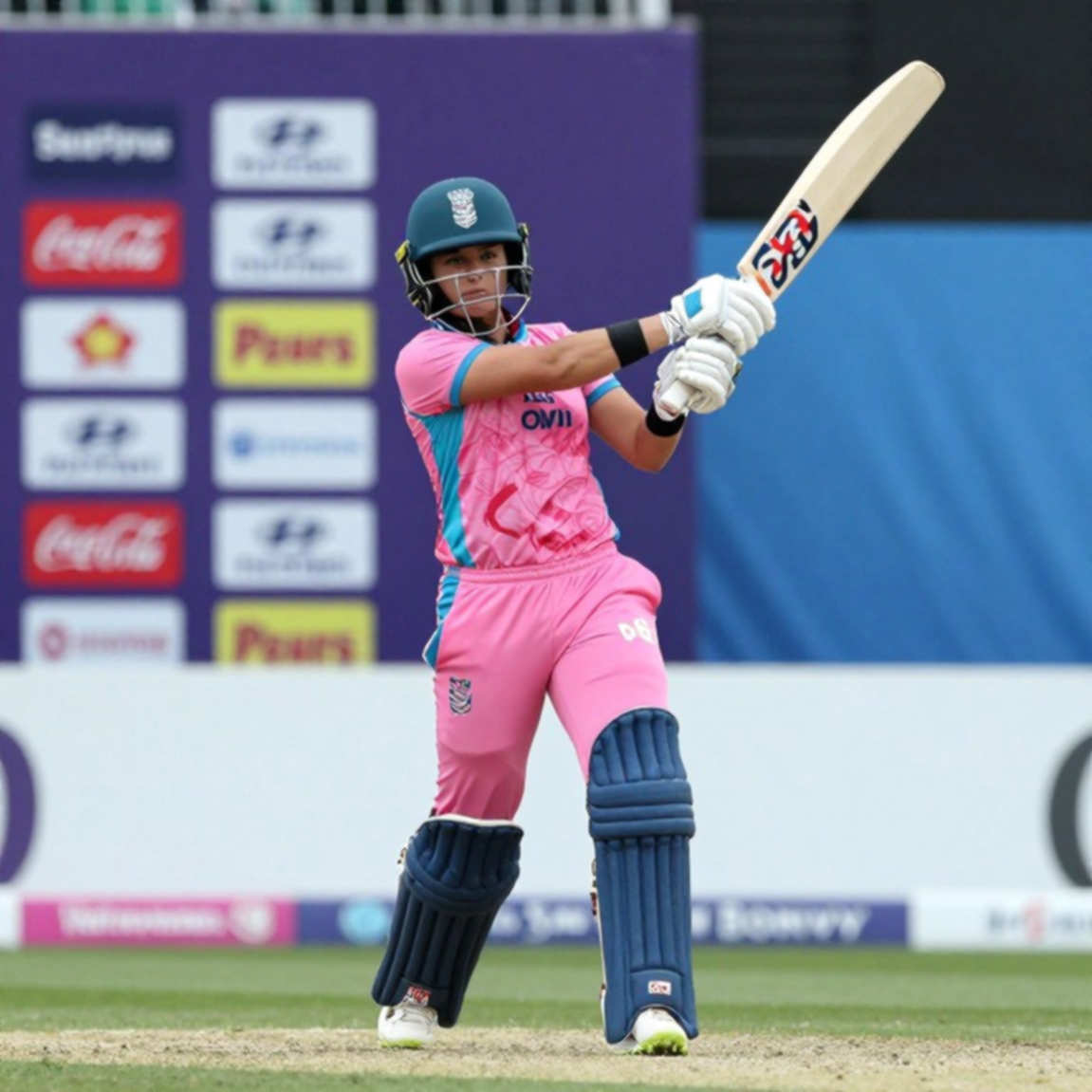
Baroda’s second innings collapsed to 115/6. From there, Sheth and Pithiya did the work that never makes a highlight package. Pithiya’s 14 off 84 balls looks slow in limited-overs terms. In a first-class survival phase, it was Baroda’s most valuable investment. Uttar Pradesh’s bowlers kept pressure on; Prashant Veer took 3/42 from 17 overs at an economy of 2.47. The last four wickets did not fall. The match ended in a draw.
What 492 Meant, and What It Did Not
Uttar Pradesh’s 492 showed that their top order could bat long. A 309-run stand is not just a pile of runs; it is 541 balls taken out of Baroda’s bowlers. In domestic cricket, that kind of partnership has a second-innings effect: workloads rise, fielders tire, captains have to rotate differently. Uttar Pradesh built territorial control.
But territorial control and the ability to force a result are not the same thing in first-class cricket. Uttar Pradesh had a 137-run lead and Baroda were six down. They still could not win. That does not make Uttar Pradesh a weak side. It means that on that day they lacked a route to the final four wickets. The route could have been missing because of limited bowling variety, conservative field settings, or Baroda’s lower-order defence. The report does not give declaration timing, overs remaining, pitch behaviour or weather. I will not conclude from one match that the captaincy failed. I will say that their conversion rate in this match was zero: the position existed, the result did not.
This is where the spreadsheet and the dressing room split. The model says a side at 115/6 should be finished off. The dressing room says the bowlers had already spent 541 balls in the field, and the batter knew his only job was to eat time. Both are right, and they are describing different truths.
115/6: The Collapse Beneath the Draw
Baroda’s bigger concern is not that they saved the draw. It is that they reached 115/6. After making 355 in the first innings, losing six wickets so quickly in the second says the top order struggled against Uttar Pradesh’s attack. Without Sheth and Pithiya, Baroda could have lost by an innings and 22 runs. That gap between a draw and an innings defeat is enormous.
A defensive innings is not mere time-killing. In first-class cricket it is a technical job. The batter is not chasing runs; he is chasing balls. He has to leave what he can leave, defend without offering a catch, and make every over feel longer. Pithiya’s 14 off 84 balls consumed roughly 14 overs. That number will not trend on social media, but it is the strongest pillar of Baroda’s draw.
I learned the game in a fan forum, then spent years proving the fans were half right. Forum readers ask why a batter who makes 14 off 84 is kept in the side. The answer is that the team was not asking him for runs. It was asking him for time. The spreadsheet found the pattern; the fan forum taught me where to look for the story.
14 off 84: The Question Beyond Strike Rate
Pithiya was the most complete contributor in this match. He took 5/112 in the first innings and then batted 84 balls in the second. Wickets with the ball and time with the bat are the real currency of domestic cricket. An IPL valuation sheet may file that performance under a different column, but a Ranji selection meeting should recognise it as all-round value.
His 5/112 interrupted Uttar Pradesh’s batting after the 309-run stand. His second-innings batting was small in runs and large in time. First-class cricket needs a category for that: the defensive spell, the batting equivalent of a maiden over.
Prashant Veer’s 3/42: Adjustment, But How Much?
Prashant Veer took no wickets in the first innings. In the second, he returned 3/42 from 17 overs. An economy of 2.47 says he kept the scoreboard quiet and sustained pressure. That is a real tactical adjustment. What changed — swing, seam, spin, pace, angle — the report does not say. I will not call it an established technical trend. It is a successful one-match adjustment.
The first session of a four-day game shows the plan; the last session shows who can still listen. Veer changed his role and became central to Uttar Pradesh’s attack. The last four wickets still did not come. Individual adjustment and collective closure are different skills.
The One-Point Table Gap and the Next Real Risk
Uttar Pradesh were second with 18 points, Baroda third with 17, and Vidarbha top with 26. That one-point gap says the domestic group is competitive. Being the stronger side in a match and being top of the table are not the same thing.
Uttar Pradesh’s next fixtures include Madhya Pradesh, defending champions Jammu and Kashmir, and Vidarbha. The Vidarbha match is scheduled for February 1-4 in Nagpur. If Uttar Pradesh are to close the gap, that game could be decisive. The same schedule also carries a workload story: a 541-ball stand, a 17-over spell and travel in the next month. Injury risk in domestic cricket is often a calendar problem before it is a medical one.
Calling It a Choke Is Easy; Understanding It Is Hard
The easiest reaction is to say Uttar Pradesh made 492, reduced Baroda to 115/6 and still failed to win. That reaction is convenient because the result is already known and the team can be graded in one word. But defending in the fourth innings is a legitimate first-class strategy. Baroda did not choose defeat; they chose a draw. Their lower order bought time, and Uttar Pradesh ran out of time to break it.
My second disagreement is with the public story. Calling Baroda’s resistance a small-team victory hides the top-order collapse. Baroda’s real problem is 115/6, not the draw. If the top order falls again, the lower order will not rescue them every time.
A tactical wizard who ignores the dressing room is just a whiteboard with ambition. Uttar Pradesh’s bowlers had a plan; Baroda’s batters tired it out. That difference decides results.
What to Watch Next
When I track Uttar Pradesh, I will not look only at runs. I will look at how often they fail to bowl out the lower order after posting a big total. That conversion rate will be a better measure of their tactical health. For Baroda, I will watch how often the top order reaches a 115/6 situation. For Pithiya, I will watch how often the 5/112-and-84-balls double appears.
February 1-4, Nagpur. Uttar Pradesh versus Vidarbha. Eight points separate them in the table. If Uttar Pradesh post another 400-plus total there and still cannot force a win, the question will no longer be about this match. It will be about what the Ranji table rewards: time, or the ability to take wickets.