
Lahore Pitch as Selector: Pakistan Release Sufiyan Muqeem, Add Maaz Sadaqat as Niggle Cover
**मूल उत्तर (≤60 शब्द)**: पाकिस्तान ने बाएँ हाथ के रिस्ट स्पिनर सुफियान मुकीम को ODI त्रि-सीरीज़ स्क्वाड से बाहर किया और बाएँ हाथ के बल्लेबाज़ माज़ सादक़त को कवर के रूप में जोड़ा। PCB ने कारण लाहौर की पिचों का स्वभाव बताया; सादक़त उन खिलाड़ियों के लिए कवर हैं जिन्हें मामूली निगल्स हैं। **मुख्य तथ्य**: - सुफियान मुकीम: 24 वर्ष, बाएँ हाथ के रिस्ट स्पिनर, 4 वनडे में 8 विकेट, 22 टी20 अंतरराष्ट्रीय में 30 विकेट। - माज़ सादक़त: 6 वनडे में 134 रन और 1 अर्धशतक; 5 टी20 अंतरराष्ट्रीय में 184 रन, स्ट्राइक रेट 170.37। - पाकिस्तान त्रि-सीरीज़ में अपराजित (2 जीत); चौथा मुक़ाबला इंग्लैंड से गद्दाफ़ी स्टेडियम, लाहौर में रविवार को। - शाहीन शाह अफ़रीदी कप्तान; अबरार अहमद एकमात्र मुख्य स्पिनर के रूप में स्क्वाड में बचे। - मुकीम घरेलू क्रिकेट में लौटेंगे, जिससे चोट या अनफ़िटनेस का संकेत नहीं मिलता। **स्रोत**: पाकिस्तान क्रिकेट बोर्ड (PCB) की आधिकारिक चयन विज्ञप्ति, त्रि-सीरीज़ के चौथे मुक़ाबले (पाकिस्तान बनाम इंग्लैंड, गद्दाफ़ी स्टेडियम, लाहौर, रविवार) से पूर्व जारी। सभी आँकड़े PCB विज्ञप्ति-आधारित रिपोर्टिंग से लिए गए हैं और स्वतंत्र स्कोरकार्ड से सत्यापित नहीं हैं। **संबंधित प्रश्नोत्तर**: प्रश्न: सुफियान मुकीम को स्क्वाड से बाहर क्यों किया गया? उत्तर: PCB के अनुसार लाहौर की पिचों का स्वभाव तेज़ गेंदबाज़ी के अनुकूल पढ़ा गया, इसलिए बाएँ हाथ के रिस्ट स्पिनर को घरेलू क्रिकेट भेजा गया। प्रश्न: माज़ सादक़त किस आधार पर शामिल किए गए? उत्तर: वे उन खिलाड़ियों के कवर हैं जिन्हें मामूली निगल्स हैं, और ज़रूरत पड़ने पर एकादश में शामिल किए जा सकते हैं। प्रश्न: क्या मुकीम चोटिल हैं? उत्तर: विज्ञप्ति में चोट का कोई उल्लेख नहीं है; घरेलू क्रिकेट में वापसी का फ़्रेमिंग बताता है कि वे फ़िट और उपलब्ध हैं।
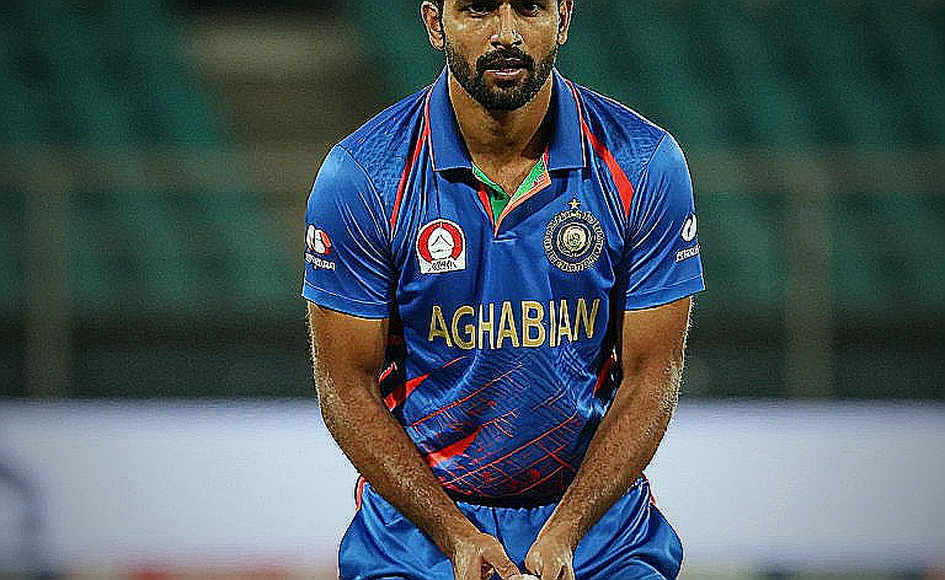
Two days before Sunday's fixture, Pakistan removed a link from their spin plan. Sufiyan Muqeem — a 24-year-old left-arm wrist spinner with eight wickets in four ODIs and thirty in twenty-two T20Is — is out of the squad. The PCB statement carries the reason in a single clause: the nature of Lahore's pitches. In the same release, Maaz Sadaqat has been added as cover for players carrying "minor niggles."
This is a short news item. There is no scorecard, no pitch report, no independent data source. What I have is one board release and a handful of career numbers for two players. Building a large claim on that would be dishonest. One thing does emerge, though: when a team at home, unbeaten, drops a scarce bowling type mid-tournament, it is speaking about a surface rather than about form. This is a conditions selection, not a form crisis.
Pakistan are playing an ODI tri-series against England and Sri Lanka. The format is 50 overs; this is the fourth match, at Gaddafi Stadium, Lahore, on Sunday. The fifth is against Sri Lanka on Tuesday. The hosts have won both games so far. Look at the squad: Shaheen Shah Afridi as captain, Babar Azam in the group, Fakhar Zaman, Saim Ayub, Salman Ali Agha, Hasan Nawaz, Maaz Sadaqat, Abrar Ahmed, Naseem Shah, Haris Rauf, Faheem Ashraf, Razaullah, and two wicketkeepers in Ghori and Saad Baig.
Provenance needs stating plainly, because the entire report rests on one official release. Margins of the two wins, toss effects, DRS decisions, how the bowling spells were split — none of it is available. I will not call those two wins convincing or lucky, because I have no basis for either. What is available is a selection decision and its stated rationale. In my experience, the stated rationale is the most readable part.
Watching matches across several seasons, I have noticed a pattern: when teams cite "the nature of the pitch," they are not issuing a weather report, they are declaring a preference. Naming Lahore specifically — rather than "conditions" in general — suggests the management has read this venue as pace-friendly. Releasing a left-arm wrist spinner on that reading, leaving Abrar Ahmed as the only frontline spinner, is the cleanest evidence of the read itself.
Break Muqeem's numbers honestly. Eight wickets in four ODIs is two per match. That is a volume figure, not an efficiency one. Average, economy and strike rate are all unavailable — treating "two wickets a match" as proof of performance would be a modelling error. Without runs conceded, nobody can tell whether those eight wickets came at 22 apiece or 48. In ODI cricket a spinner is judged by middle-overs economy, and that number simply is not here.
Second point, one I keep returning to: thirty wickets in twenty-two T20Is is a mature record, and for a wrist spinner it is the normal route — short format first, longer format later. Converting it into an ODI projection is wrong. T20 gives you four overs, fast-changing fields, a batter obliged to take risk. ODI gives you ten overs, drift through the middle, an older ball, and a batter entitled to wait. The same bowler is playing two different sports. Anyone who reads a T20 wicket column as ODI capability has given two datasets the same name.
Third point, invisible in any table: a left-arm wrist spinner is rare worldwide. Teams usually hoard that resource because it manufactures a specific matchup — particularly against batters who pick leg-spin but stall on the chinaman. Letting one go means that if the Lahore surface changes mid-match, or an opponent's middle order proves vulnerable to wrist spin, Pakistan have very few levers left to pull.
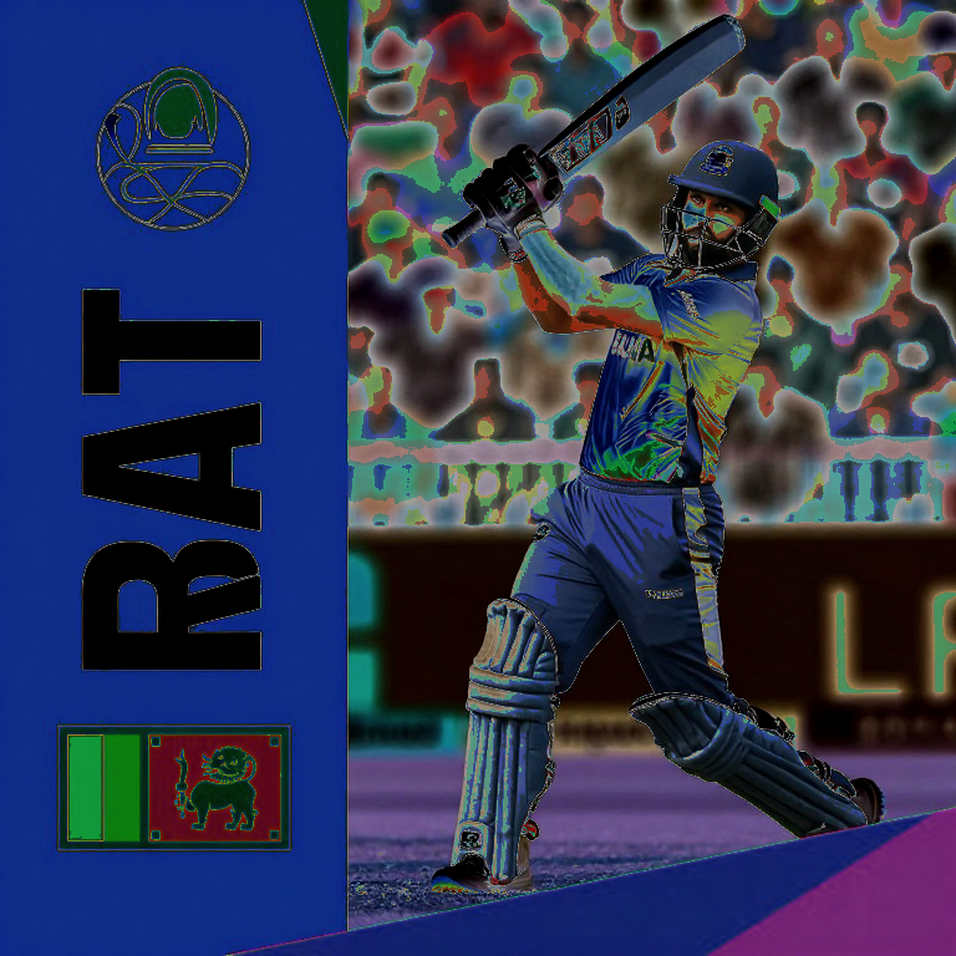
Now Maaz Sadaqat. One hundred and thirty-four runs in six ODIs with one half-century — an average sitting around 22, below the international middle-order benchmark. In five T20Is he has 184 runs at a strike rate of 170.37. That strike rate is his brightest line and his most misleading one — five innings is far too small a sample for any conclusion. An ODI innings has to be built across 180 to 300 balls; a T20 finishing profile does not transfer automatically. A player added as "cover" is, in the language of data, a bench option rather than a first choice.
His left-handedness carries real tactical logic. Pakistan's top order is built around right-handers — Babar Azam, Fakhar Zaman, Salman Ali Agha — with Saim Ayub the main left-hand option. A second left-hander gives the team rotation against certain spin angles and certain pace matchups. Not a large edge, but a genuine one.
The least-read word in the release is "niggle" — and it is plural. The direct implication is that more than one squad member is short of full fitness. Adding cover is an admission that the XI may have to change at short notice. The report does not say who, and I will not guess. The signal is enough to keep watching the pre-match fitness updates.
Workload arithmetic belongs here too. England on Sunday, Sri Lanka on Tuesday — a two-day gap. Shaheen, Naseem, Haris Rauf, Faheem, Razaullah: a five-man pace group, and running it flat across back-to-back fixtures is a risk. Resting a spinner in this window is technically coherent, even if the word "workload" never appears in the release.
On the industry side, the impact is close to nil. Broadcast value, attendance, fantasy selection — no movement. The one genuine signal runs toward domestic cricket: sending Muqeem back gives that competition an international-standard spinner — a small but real pipeline gain. In a system without ball-tracking, player availability is the largest resource there is.
Here is the part where I have to argue with my own reasoning. The whole report rests on one sentence — "the nature of Lahore pitches." That is a claim, not evidence. How many wickets spin has taken in this series at Gaddafi, what the middle-overs economy has been, how much turn there is — none of it is publicly available. When evidence is absent, the correct move is to treat the claim as a hypothesis and specify the test.
Which means the result will not validate or invalidate this decision. If Pakistan blow England away with pace, that is a favourable outcome, not proof the process was right. If the ball turns and Pakistan lose, the process is not automatically wrong either — it may have been the correct call on the information then available. Correlation and causation are different things, and selection debates forget that distinction faster than anywhere else.
There is another angle I owe myself. People were in the commentary box for the first three matches — local voices, regional-language voices, reading a surface I have not seen. I do not have their dataset, but their observation is still a source. If they were saying the ball was holding on the seam and spin was getting no help, then the PCB decision points the right way — and my "loss of spin variation" argument should bend to that observation. What the model lacks is often present in the stadium.
The England matchup question stays open. In subcontinental conditions, England's middle order has come under pressure against quality wrist spin — a generic historical pattern, not something from this release, so I hold it on weak footing. If it applied here, releasing Muqeem would be a deliberate gamble rather than a neutral conditions read. Both readings are live, and I cannot merge them.
The leadership structure deserves a note as well: Shaheen Shah Afridi is captain with Babar Azam in the squad. In a white-ball setup, that is a transitional arrangement, and transitional arrangements draw more external pressure on selection. This report offers no evidence of that pressure, but the context belongs in the frame.
Overall risk I would place at low to medium. The largest exposure is not the missing spin but the plural "niggle" — it describes a cluster, not an individual. Second is the cumulative load on the pace group. Third is the shrinkage of wrist-spin optionality. None of these derails a series, but all three arriving together would make Tuesday's XI hard to pick.
What to watch is clear enough. The XI at the toss: if Abrar is the only spin option, the pace-first reading of Lahore is confirmed. England's middle overs: if the ball turns and Pakistan's seamers go at more than 5.5 an over, the Muqeem release comes under retrospective review by Tuesday. Fitness updates: any withdrawal from the XI opens the door for Sadaqat. And the domestic scorecards: the faster Muqeem's wickets come there, the louder the recall case gets.
I will also write down the condition under which I am wrong. If Lahore turns on Sunday, Abrar bowls fewer than ten overs, and England's middle order scores at above 100 against pace — then this selection read the team's convenience, not the conditions. The question then will not be whether the pitch was understood. It will be why optionality was reduced when information was already thin.
Calibration is a monk's job, and the least data demands the most discipline. Four ODIs, five T20 innings, one release, two wins. Drawing a larger conclusion from that is easy — and it is the biggest mistake available.